
Caferria
Mechanical Building Toys for Boys Age 8-12, 50 STEM Projects for Kids Ages 8-12 with 325 PCS Building Blocks, STEM Toys for 6 7 8 9 10 Year Old Boys, Science Kit Birthday Xmas Gifts for Kids 6+
Couldn't load pickup availability
About This
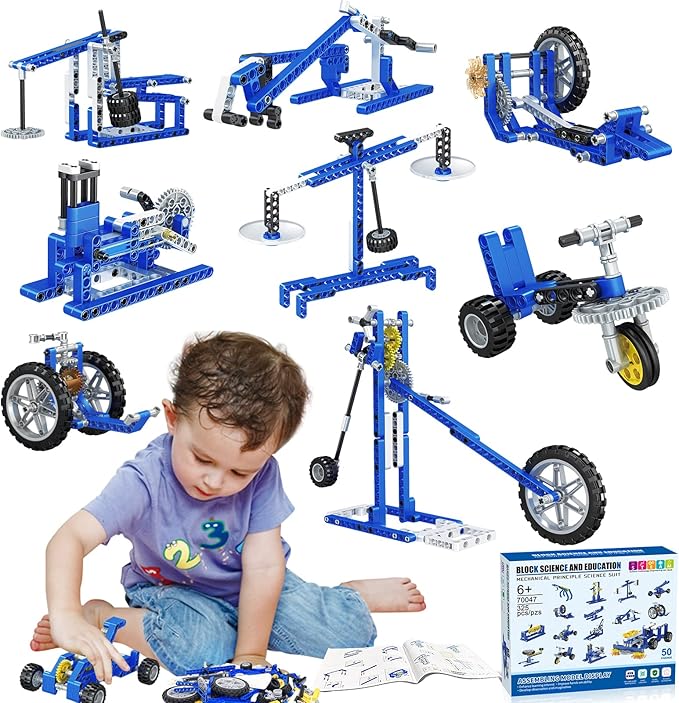
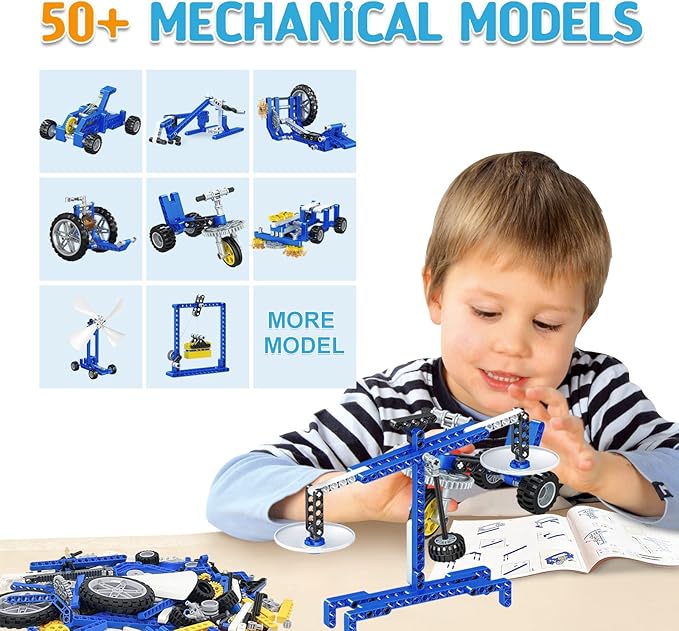
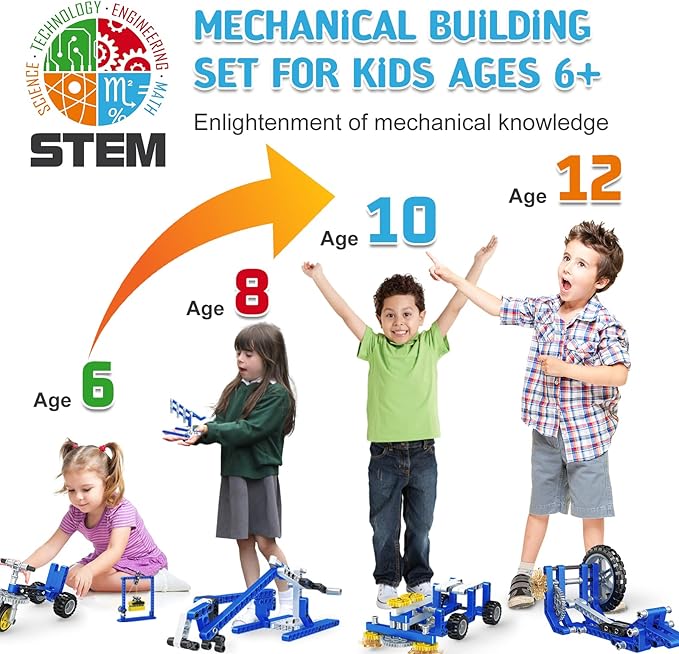
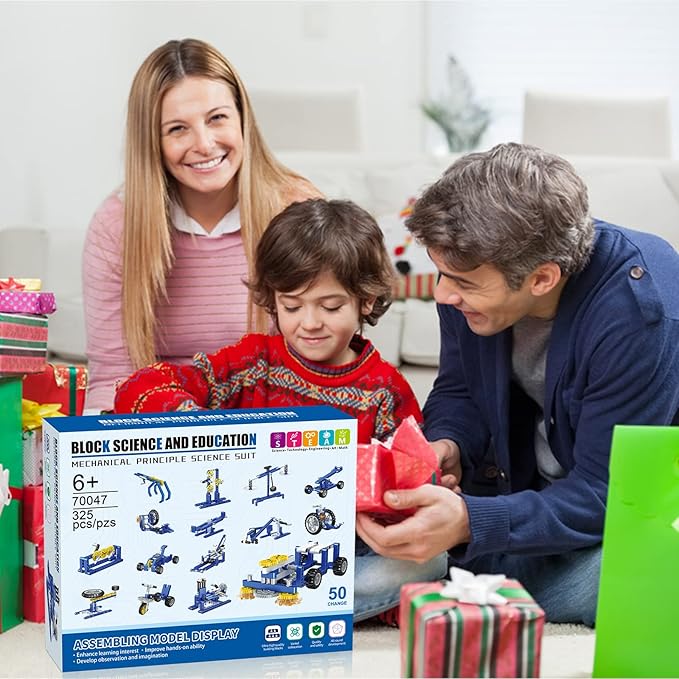
- 【50+ Mechanical Projects】: The boys toys includes 325 pieces, kids can DIY 50 different models. To encourage early science, engineering, art, electronics, and mechanical principles by challenging them to build their own DIY projects. Perfect STEM activities for kids ages 6+. Great creative kids games, indoor recess games for classroom, building toys for boys age 8-12, building toys for kids ages 4-8, toys for 6 7 8 9 10+ years old boys and girls!
- 【Instructton Guide】: The boys toys age 6-8 comes with installation tools and clear step-by-step instructions with model photos. Children can independently make their favorite mechanical models. Opended prompts will inspire kids to continue experimenting with designs and modifications!
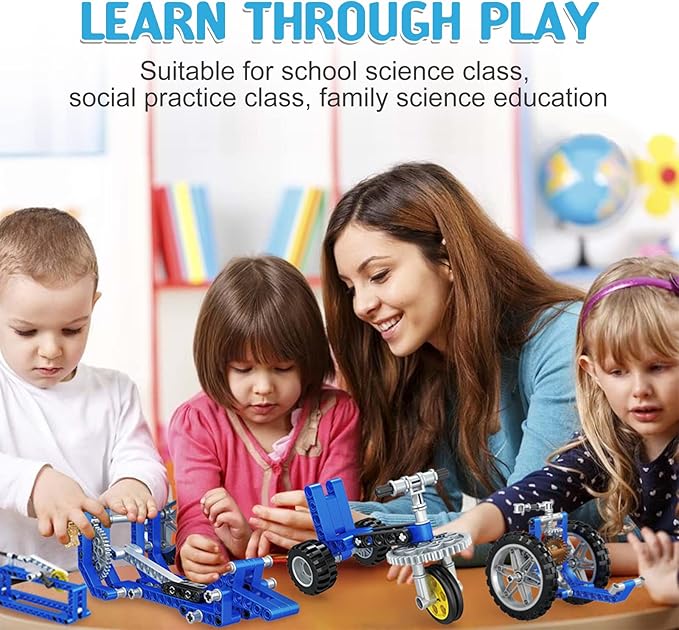
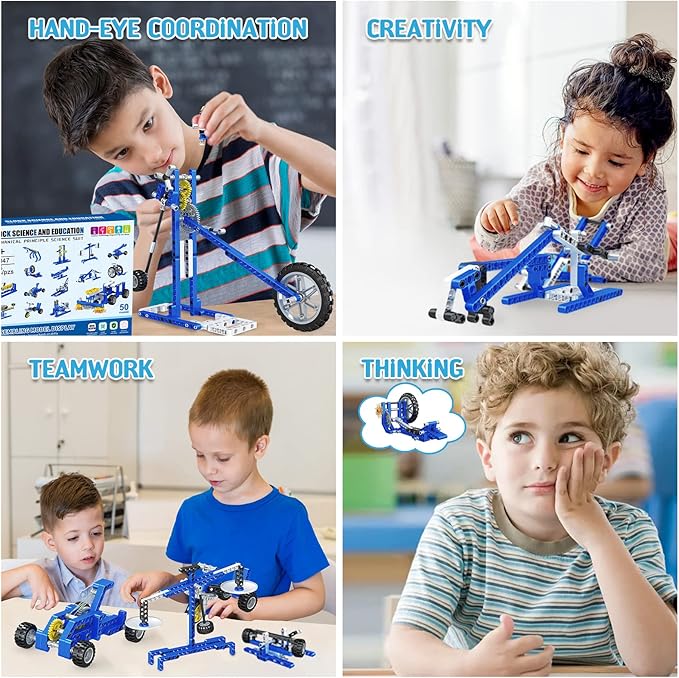
- 【STEM Toys for Boys】: The boys toys age 8-10 is designed to improve children's science, physics, engineering, and math skills. Mechanical building is a great hand-on way to learn about simple machines. In this on-line teaching environment, Science construction toys are hands-on activities that enhance course learning. Great boys toys age 6-8 8-10.
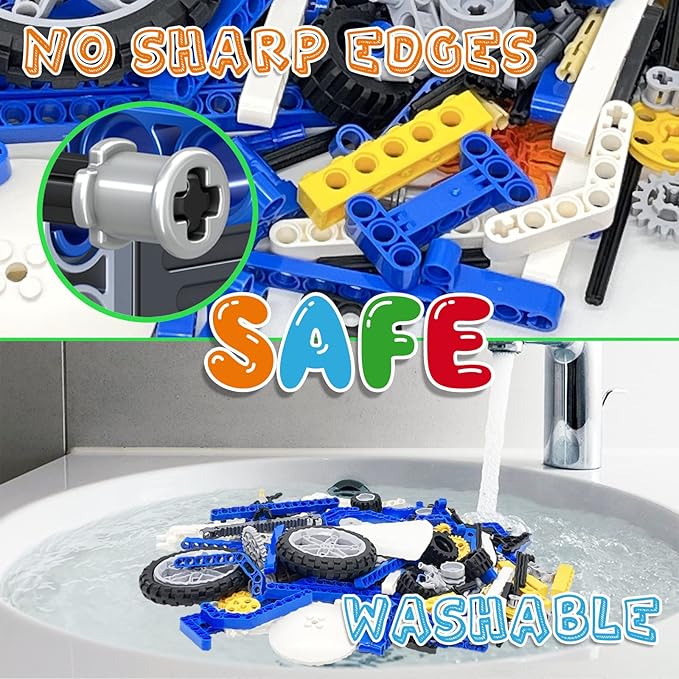
- 【Safe & Solid 】: All accessories are finely polished smooth surfaces, are burr-free, non-toxic, lead, cadmium, and BPA-free! Kids can touch, play and cuddle. The science kit are 100% washable and guaranteed to last. ASTM, CPSIA, CPC, 16 CFR, EN71, REACH, CE certified in 2022.
- 【Gift for Kids】: If your child is a mechanical fan or loves science, It is the perfect birthday, Easter, Christmas, Halloween, or party gift for 6 7 8 9 10+ year old boys and girls. Order from Caferria, Any problem with this product, please feel free to contact us, and we will replace it for you or provide what you want for free. Enjoy this absolutely risk-free purchase!
Share

Reviews
Shop Now-
⭐️⭐️⭐️⭐️⭐️
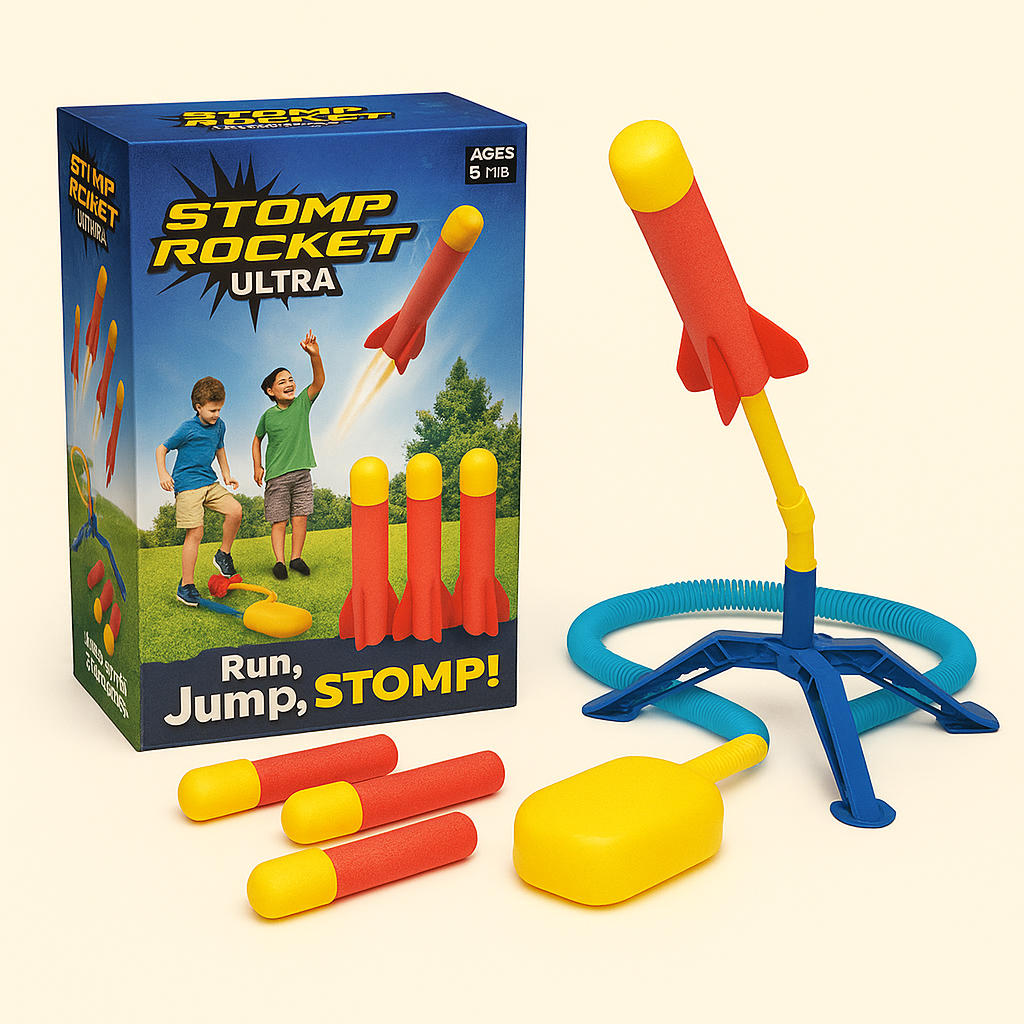
This toy is an absolute hit in our backyard! The rockets fly so high, and it keeps my kids running and laughing for hours. Great quality and super easy to use.
Daniel H. -
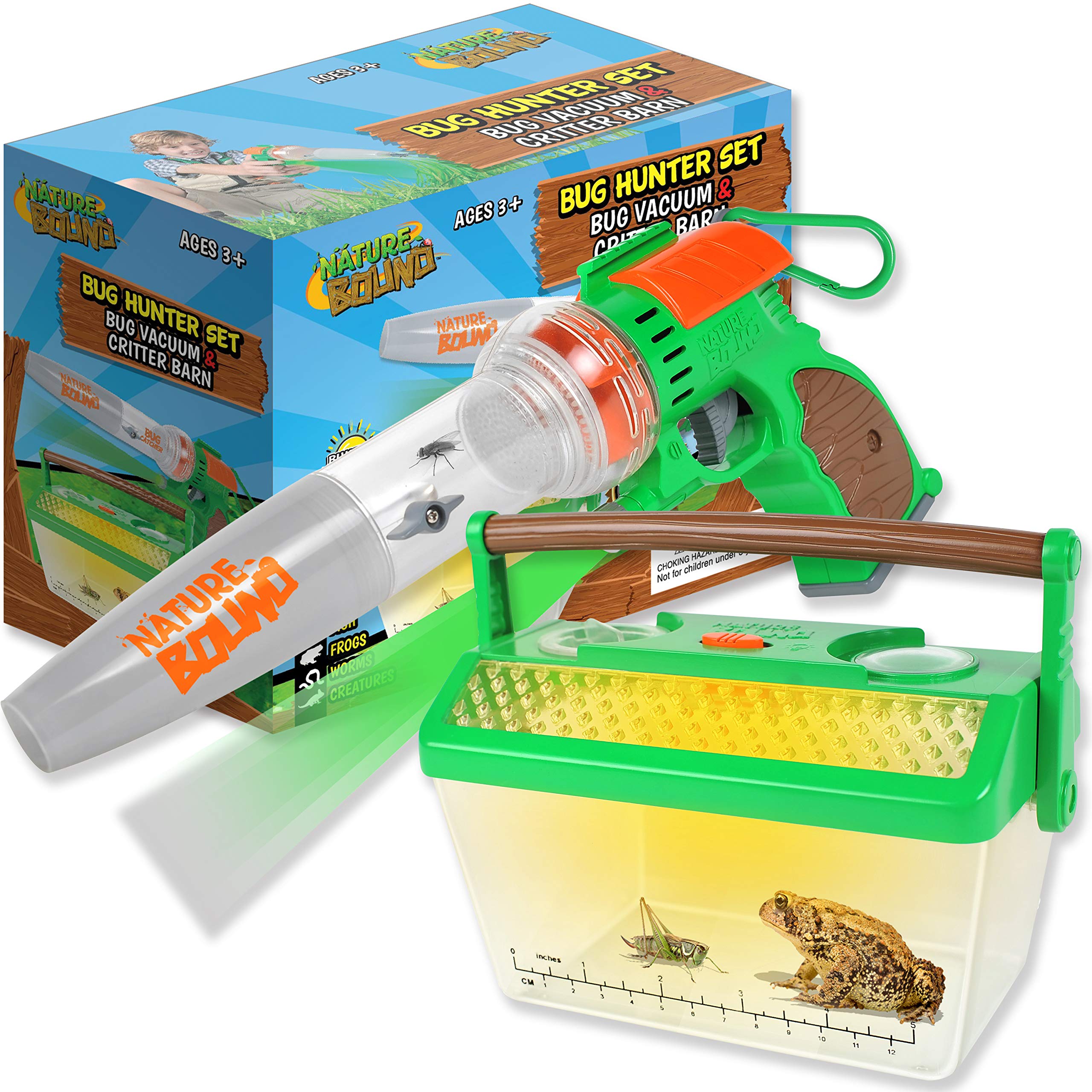
⭐️⭐️⭐️⭐️⭐️
My kids are obsessed with this bug vacuum! It makes outdoor play so much more exciting and educational. The light-up habitat is such a fun bonus.
Rachel D. -
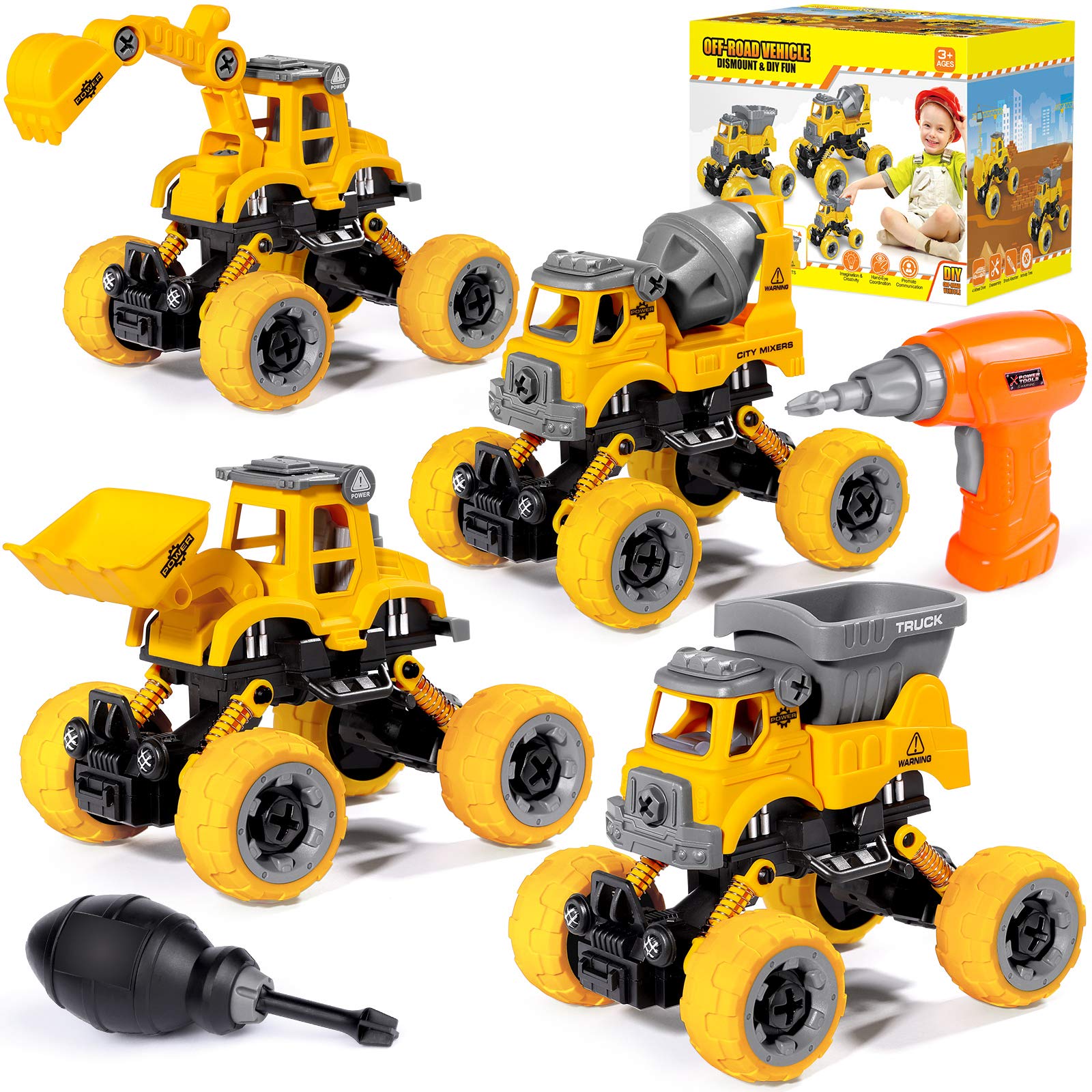
⭐️⭐️⭐️⭐️⭐️
My son can’t get enough of these buildable trucks! The electric drill is easy to use, and it keeps him focused and learning through play. Such a perfect STEM toy.
Lauren K.
Blog & Tips
View all-
🌟 Small Tools, Big Imagination: The Power of Mi...
When we think about children’s toys, bigger often seems better — larger pieces, more volume, more visual excitement. But there is a quiet magic in the opposite direction: tiny tools...
🌟 Small Tools, Big Imagination: The Power of Mi...
When we think about children’s toys, bigger often seems better — larger pieces, more volume, more visual excitement. But there is a quiet magic in the opposite direction: tiny tools...
-
Top 5 Brain-Boosting Toys for Preschoolers (3–5...
How Playtime Builds Memory, Creativity, and Problem-Solving Preschoolers are naturally curious, imaginative, and hungry to explore the world. Between ages 3 and 5, their brains grow rapidly, especially in areas...
Top 5 Brain-Boosting Toys for Preschoolers (3–5...
How Playtime Builds Memory, Creativity, and Problem-Solving Preschoolers are naturally curious, imaginative, and hungry to explore the world. Between ages 3 and 5, their brains grow rapidly, especially in areas...
-
🧸 Toy Rotation: Why Fewer Toys Can Actually Boo...
Introduction Parents often feel pressured to provide more toys, more stimulation, and more choices.But research in child development suggests the opposite: children learn better when they have fewer toys available...
🧸 Toy Rotation: Why Fewer Toys Can Actually Boo...
Introduction Parents often feel pressured to provide more toys, more stimulation, and more choices.But research in child development suggests the opposite: children learn better when they have fewer toys available...