

Reviews
Shop Now-
⭐️⭐️⭐️⭐️⭐️
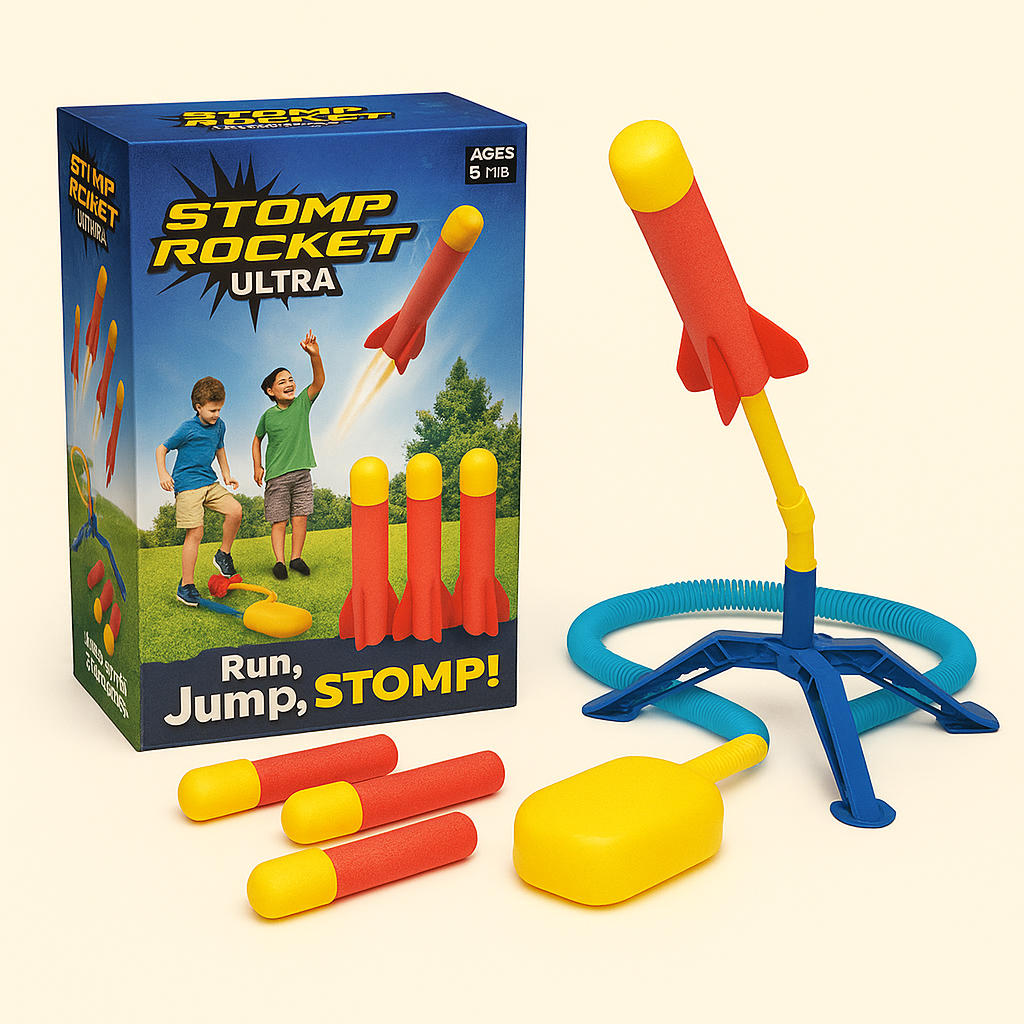
This toy is an absolute hit in our backyard! The rockets fly so high, and it keeps my kids running and laughing for hours. Great quality and super easy to use.
Daniel H. -
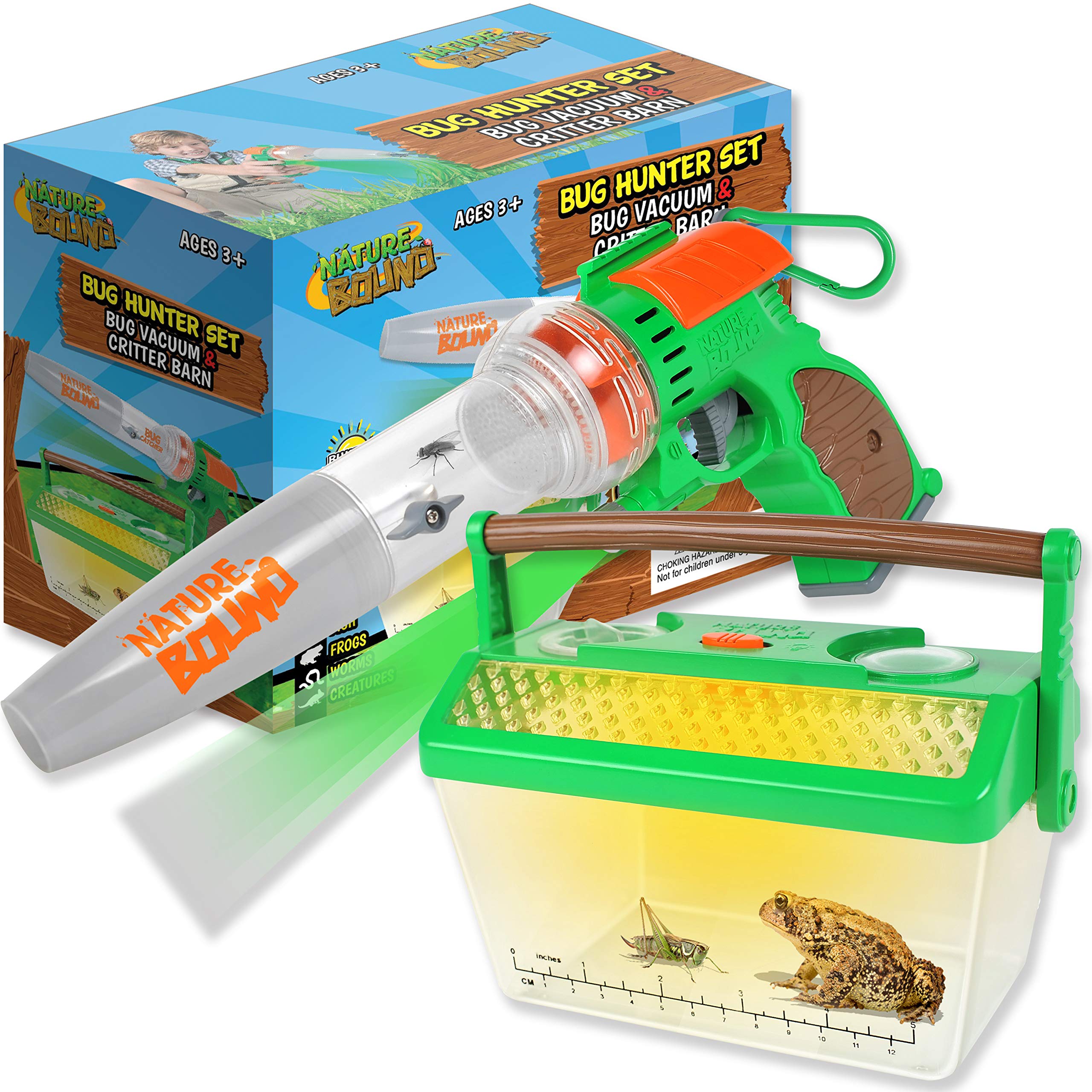
⭐️⭐️⭐️⭐️⭐️
My kids are obsessed with this bug vacuum! It makes outdoor play so much more exciting and educational. The light-up habitat is such a fun bonus.
Rachel D. -
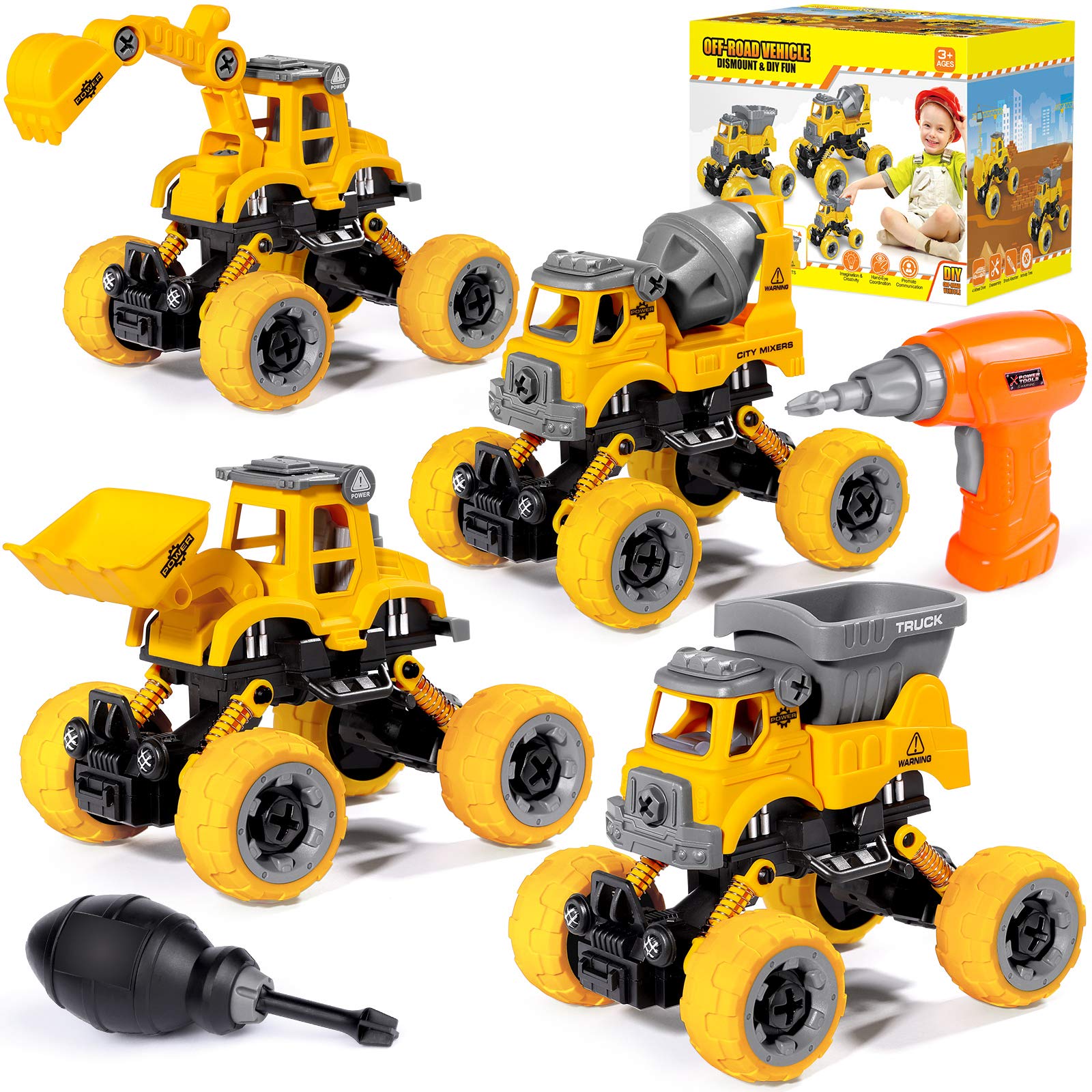
⭐️⭐️⭐️⭐️⭐️
My son can’t get enough of these buildable trucks! The electric drill is easy to use, and it keeps him focused and learning through play. Such a perfect STEM toy.
Lauren K.
Blog & Tips
View all-

🌟 Small Tools, Big Imagination: The Power of Mi...
When we think about children’s toys, bigger often seems better — larger pieces, more volume, more visual excitement. But there is a quiet magic in the opposite direction: tiny tools...
🌟 Small Tools, Big Imagination: The Power of Mi...
When we think about children’s toys, bigger often seems better — larger pieces, more volume, more visual excitement. But there is a quiet magic in the opposite direction: tiny tools...
-

Top 5 Brain-Boosting Toys for Preschoolers (3–5...
How Playtime Builds Memory, Creativity, and Problem-Solving Preschoolers are naturally curious, imaginative, and hungry to explore the world. Between ages 3 and 5, their brains grow rapidly, especially in areas...
Top 5 Brain-Boosting Toys for Preschoolers (3–5...
How Playtime Builds Memory, Creativity, and Problem-Solving Preschoolers are naturally curious, imaginative, and hungry to explore the world. Between ages 3 and 5, their brains grow rapidly, especially in areas...
-

🧸 Toy Rotation: Why Fewer Toys Can Actually Boo...
Introduction Parents often feel pressured to provide more toys, more stimulation, and more choices.But research in child development suggests the opposite: children learn better when they have fewer toys available...
🧸 Toy Rotation: Why Fewer Toys Can Actually Boo...
Introduction Parents often feel pressured to provide more toys, more stimulation, and more choices.But research in child development suggests the opposite: children learn better when they have fewer toys available...


