
HPROMOT
5-in-1 STEM Robot Building Kit for Kids Ages 8-16, Remote & App Controlled, Rechargeable Engineering Learning DIY Coding Toy, Educational Building Blocks Gift for Girls & Boys (603 PCS)
Couldn't load pickup availability
About This
- 5-in-1 Robot Building Kit:This set includes 603 pieces to build 5 unique models, offering endless fun and creativity. Kids aged 8-16 can explore multiple possibilities while enhancing their assembly skills, imagination, and innovative thinking. Perfect for STEM learning and hands-on play, this kit encourages children to think like engineers and enjoy the process of creation.
- Perfect Gift for Kids:Designed for boys and girls aged 8-16, this STEM building toy is an ideal gift for Christmas, birthdays, or STEM events. It fosters creativity, cognitive development, and problem-solving skills as kids learn to build and interact with their creations. A thoughtful present that combines fun and education, leaving lasting memories.
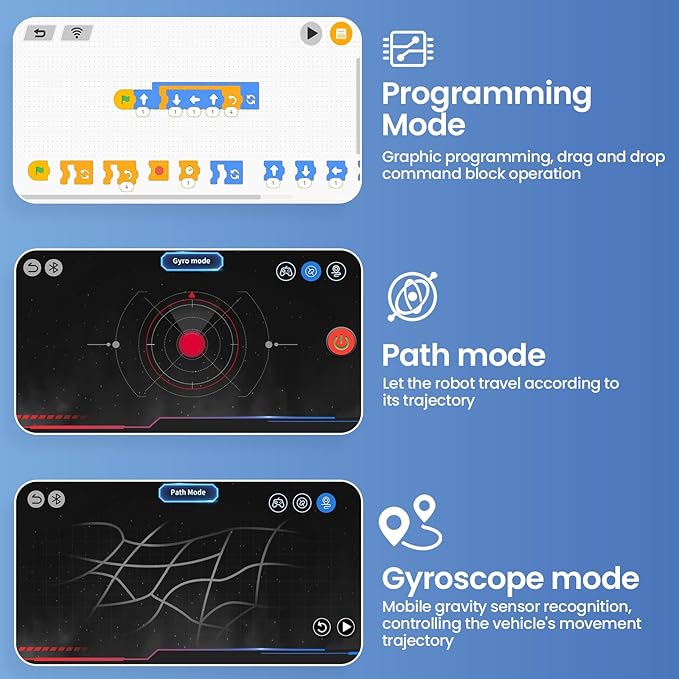
- Dual Remote Control Modes:Control your robot via remote or app with four exciting modes: Remote Control, Path Mode, Gravity Sensor, and Programming Control. Move in all directions—left, right, forward, backward, and 360° rotations—on smooth indoor or outdoor surfaces. Easy to use and packed with interactive features, it guarantees hours of engaging play.
- Detailed Instruction Manual:Every set comes with a clear, step-by-step manual, making assembly a breeze. Once the first model is complete, kids can dismantle and rebuild into different designs. We recommend parents join in for a meaningful bonding experience while encouraging kids to learn, grow, and stay active away from screens.
- Excellent Customer Support:Each piece is securely packaged, and the set includes a detailed manual for easy assembly. All products are rigorously tested for quality assurance. If you have any questions, our dedicated support team is here to assist within 24 hours, ensuring a seamless and satisfying experience.
Share

Reviews
Shop Now-
⭐️⭐️⭐️⭐️⭐️
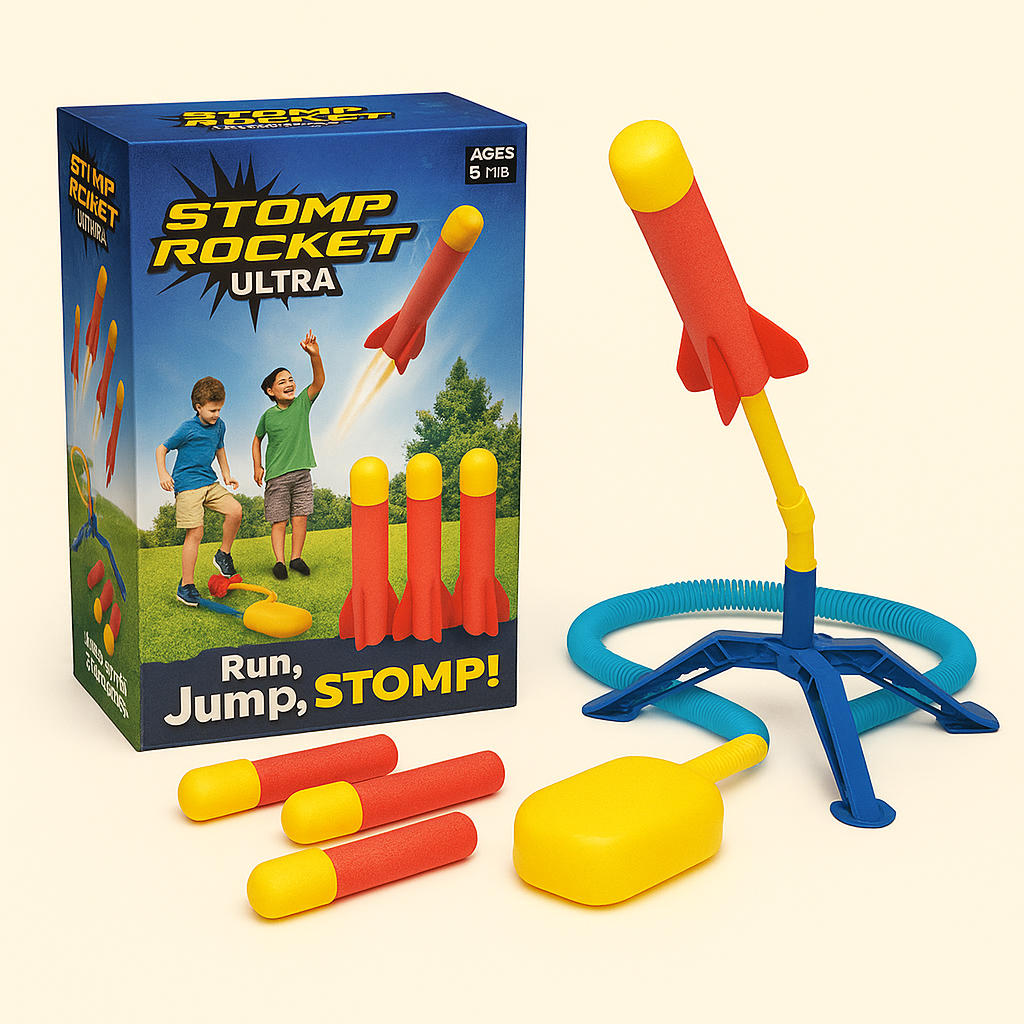
This toy is an absolute hit in our backyard! The rockets fly so high, and it keeps my kids running and laughing for hours. Great quality and super easy to use.
Daniel H. -
⭐️⭐️⭐️⭐️⭐️
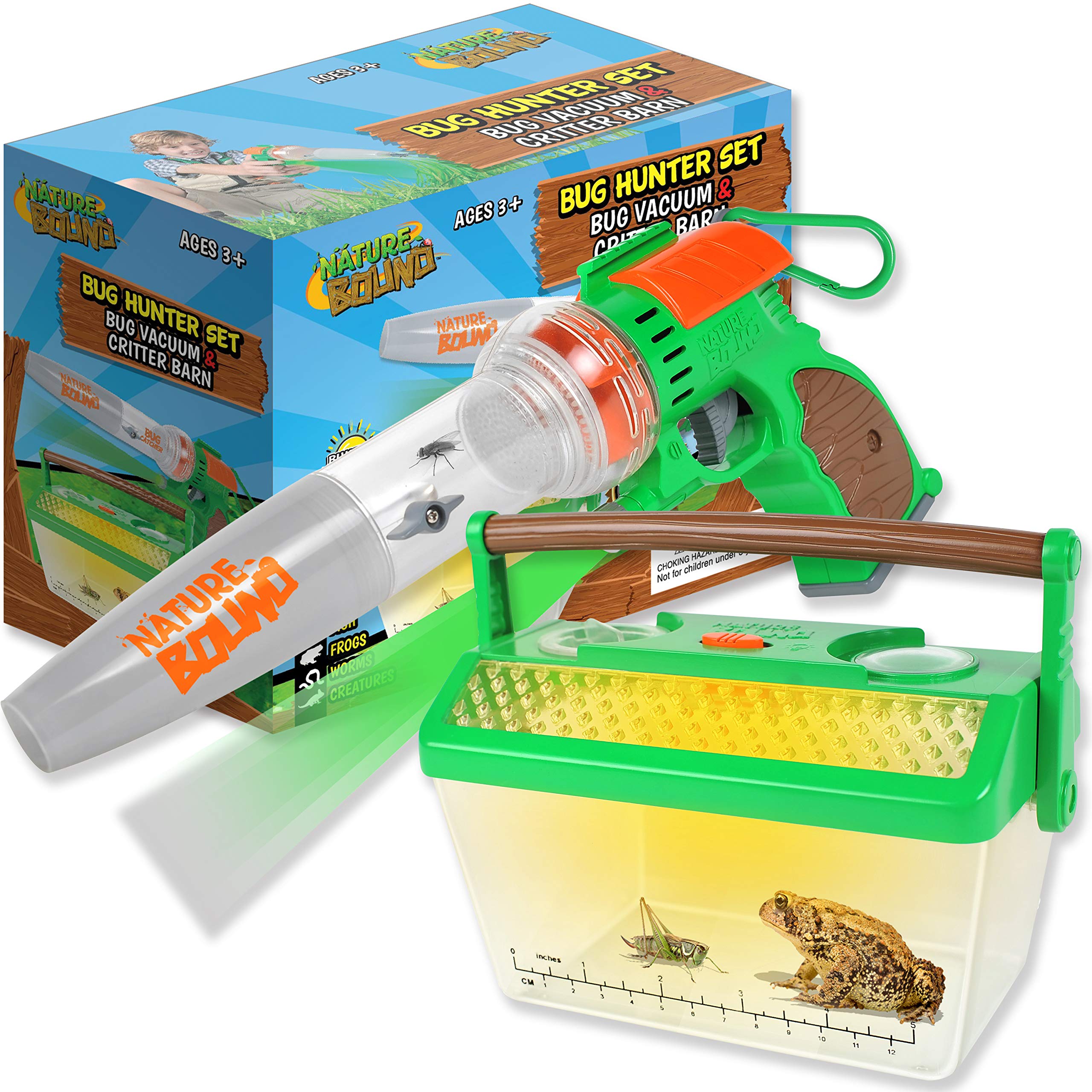
My kids are obsessed with this bug vacuum! It makes outdoor play so much more exciting and educational. The light-up habitat is such a fun bonus.
Rachel D. -
⭐️⭐️⭐️⭐️⭐️
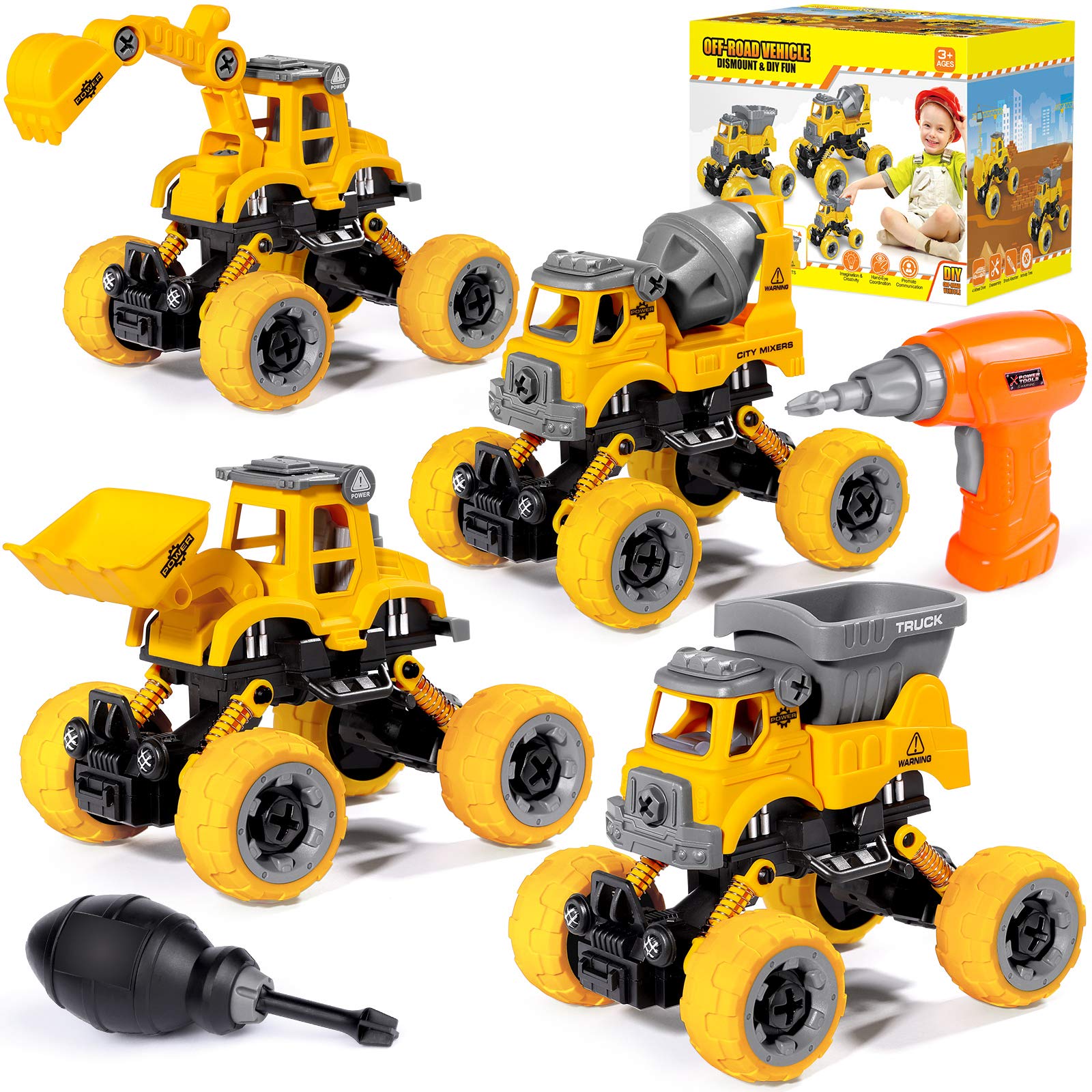
My son can’t get enough of these buildable trucks! The electric drill is easy to use, and it keeps him focused and learning through play. Such a perfect STEM toy.
Lauren K.
Blog & Tips
View all-
🌟 Small Tools, Big Imagination: The Power of Mi...
When we think about children’s toys, bigger often seems better — larger pieces, more volume, more visual excitement. But there is a quiet magic in the opposite direction: tiny tools...
🌟 Small Tools, Big Imagination: The Power of Mi...
When we think about children’s toys, bigger often seems better — larger pieces, more volume, more visual excitement. But there is a quiet magic in the opposite direction: tiny tools...
-
Top 5 Brain-Boosting Toys for Preschoolers (3–5...
How Playtime Builds Memory, Creativity, and Problem-Solving Preschoolers are naturally curious, imaginative, and hungry to explore the world. Between ages 3 and 5, their brains grow rapidly, especially in areas...
Top 5 Brain-Boosting Toys for Preschoolers (3–5...
How Playtime Builds Memory, Creativity, and Problem-Solving Preschoolers are naturally curious, imaginative, and hungry to explore the world. Between ages 3 and 5, their brains grow rapidly, especially in areas...
-
🧸 Toy Rotation: Why Fewer Toys Can Actually Boo...
Introduction Parents often feel pressured to provide more toys, more stimulation, and more choices.But research in child development suggests the opposite: children learn better when they have fewer toys available...
🧸 Toy Rotation: Why Fewer Toys Can Actually Boo...
Introduction Parents often feel pressured to provide more toys, more stimulation, and more choices.But research in child development suggests the opposite: children learn better when they have fewer toys available...